

 Despite the OSR’s recent moves to incorporate more BROSR techniques into their games (after a suitable amount of rebranding, natch), one of the key golfs between the two play styles has yet to be bridged. Both take inspiration from early RPG design, but one takes a fundamentally better approach to games unfold, and for that – and for their handsome, incision, and deservedly arrogant attitude – their name is not spoken in polite company. Let’s take a look.
The OSR prioritizes the players. The game focuses on immediate problem-solving, exploration, and risk. Player ingenuity drives success, and the GM provides a railroad or a sandbox, either one filled with challenges that reward clever thinking and creativity. A player-first approach makes each session feel more engaging for those present; however, this approach also has a natural weakness. It puts the campaign’s very existence in danger! The world only progresses when players are present, so campaigns stall out when any player misses a session, and the campaign only advances during active play. It’s the player veto, and everybody gets one.
The BROSR, in contrast, prioritizes the campaign itself. AS Gary famously said rules > campaign > players, but we’re not here to talk about rules today. The world keeps spinning even when players are absent from the social media or from the session. Factions act, patrons scheme, alliances are made, and treaties broken, and consequences accumulate in real time. Players are influence the world not just through tactical adventuring, but through higher level strategic decisions that cause ongoing conflicts and storylines. This guarantees the campaign abides, even across weeks or months or years. The tradeoff is that absent players might feel disconnected, since the world continues evolving without them.
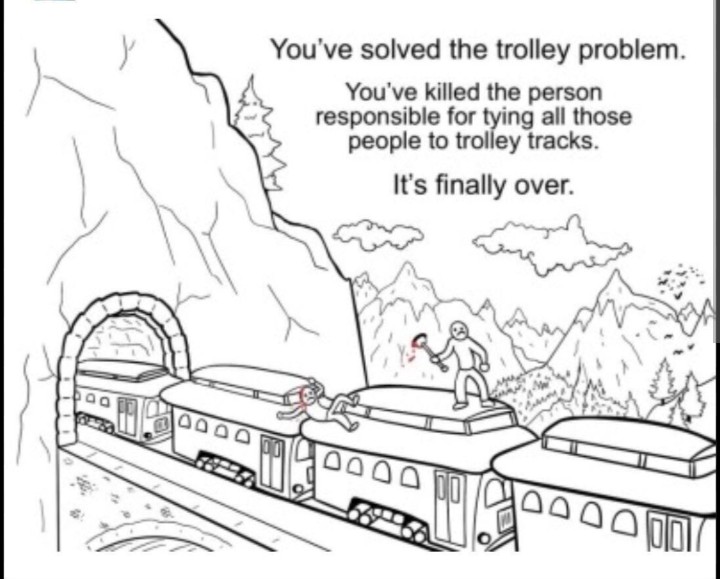
A simple train analogy illustrates the difference:
The OSR train won’t leave the station until every passenger is on board. If someone is late, everyone waits. This keeps passengers fully engaged when the coal is fully stocked, but it leaves the boarded passengers sitting at the station wondering whether they should just break out a board game.
The BROSR train leaves on schedule, regardless of who is present. Passengers who aren’t there miss part of the journey, but the train keeps on truckin’. The world evolves and the campaign persists, preserving everyone’s investment in time and effort and creativity.
Now which one of these approaches is more generous?
By ensuring the train leaves on time, the BROSR campaign motivates players to participate when they can – they know the world continues to evolve whether they are present or not. It protects the group’s collective investment – months or years of story, faction development, and world-building aren’t stalled by missed sessions, nor is the campaign in danger of withering on the vine due to a lack of interest. So long as there’s someone on the train, there’s enough interest to keep in moving forward.
The BROSR train leaving on time respects the investment of everyone in the campaign, keeps the world alive, and motivates players to stay engaged, creating a longer-lasting and richer role-playing experience. It respects the efforts of all the players, and ensures that the effort is not wasted. See what you want about the swagger, and the wrestle memes, in the spirited pushback against demands for validation, but one thing you can’t deny is that the BROSR’s play style maximizes utility, engagement, and fun.
ALL ABOARD!