

Miniature wargamers spend a lot of time talking about rules, but rules rarely determine which forms of wargaming flourish. The conditions under which people live matter far more. Want to understand why modern wargaming increasingly revolves around skirmish games while mass battles occupy a smaller corner of the hobby? Want to know why most war game conventions are filled with geriatrics? You have to look beyond the tabletop. You have to look at housing, demographics, and the economic realities that shape everyday life.
There’s a reason miniature wargaming, and wargaming in general, flourished in the anglosphere in the post-WWII era. The economic engine of hard working America, the demographic shift of the rise of the high-trust Baby Boom culture, and the educational culture that sprung from the GI Bill and the Space Race created the perfect growing conditions for the hobby. A highly literate population with disposable income is a necessary ingredient for a low time preference hobby like ours.
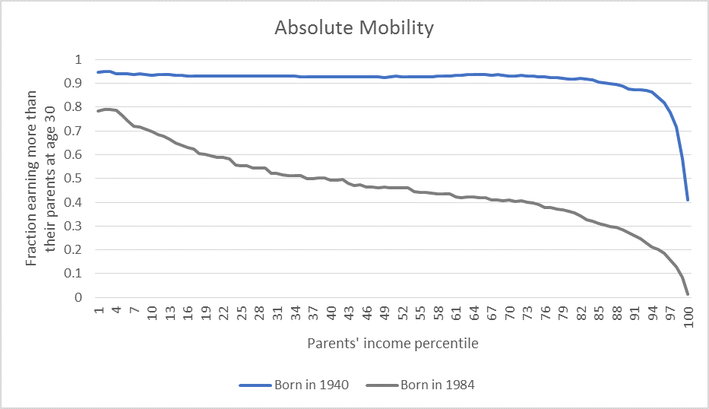
We now live in a time when the global economic engine is sputtering after decades of socialist sugar in the fuel tank, and the “solution” pushed on the populace by people who hate us is to flood that wonderful culture in a very short time with hundreds of millions of incompatible… let’s just call them “human resources” for the sake of polite discourse.
And that is changing the face of the miniature wargaming hobby in ways we’re not supposed to talk about.
So let’s talk about it.
Housing is the big one. It’s the largest expense most families face. When housing costs rise, everything else gets squeezed. When housing costs fall, everything else expands.
More people competing for a fixed housing stock tend to drive prices upward. Fewer people competing for that same housing stock drives prices downward. Whether population pressure changes because of taxpayer funded immigration, forcible remigration, or changing birth rates matters less than the basic economic reality: demand affects price.
This matters because lower housing costs do more than save a family a few hundred dollars each month. They create breathing room. Your life is very different when you spend forty percent of your income on housing than when you spend twenty-five percent. The latter is way more likely to have the discretionary spending to buy miniatures, build terrain, attend conventions, and invest in long-term hobby projects.
Mass-battle gaming thrives in that environment. Large armies and elaborate tables require surplus resources. Skirmish games are often cheaper, quicker, and easier to justify when housing consumes an ever-larger share of household income.
And housing costs are not just a financial burden. They also impact that second part of the money-time-space trifecta that we always seem to only have two of.
When housing becomes expensive, people compensate by working overtime, taking second jobs, or accepting longer commutes in search of affordable (or lower crime) neighborhoods. Every one of those choices consumes hours that might otherwise be spent on hobbies.
Mass-battle gaming is time-intensive. Armies must be painted, terrain must be built, and campaigns must be maintained. Skirmish games fit more comfortably into lives constrained by time scarcity.
When housing becomes more affordable, some of that lost time returns. The result is not simply more gaming. It is the possibility of different kinds of gaming.
And the third point of the wargaming triangle, space, is also affected.
Mass-battle gaming requires space. You need room for a large table, storage for armies, shelving for terrain, and a place where projects can remain unfinished between sessions. Maybe even a gaming table that can be left up for a few weeks when there just isn’t time to complete that 1:10 refight of Waterloo in a single session.
Many gamers do not reject large games because they dislike them. They reject them because they lack the physical space to support them.
A spare room changes the equation. A basement changes the equation. Even a larger apartment can make the difference between owning a small skirmish force and maintaining a full campaign.
Skirmish games fit comfortably on a kitchen table. Mass battles demand more. Housing affordability often determines which option is practical.
But there’s one last factor that we have to talk about that serves not as a third point on the triangle – it’s the third rail of polite discourse.
The most important effect of affordable housing is not money, time, or space. It is stability.
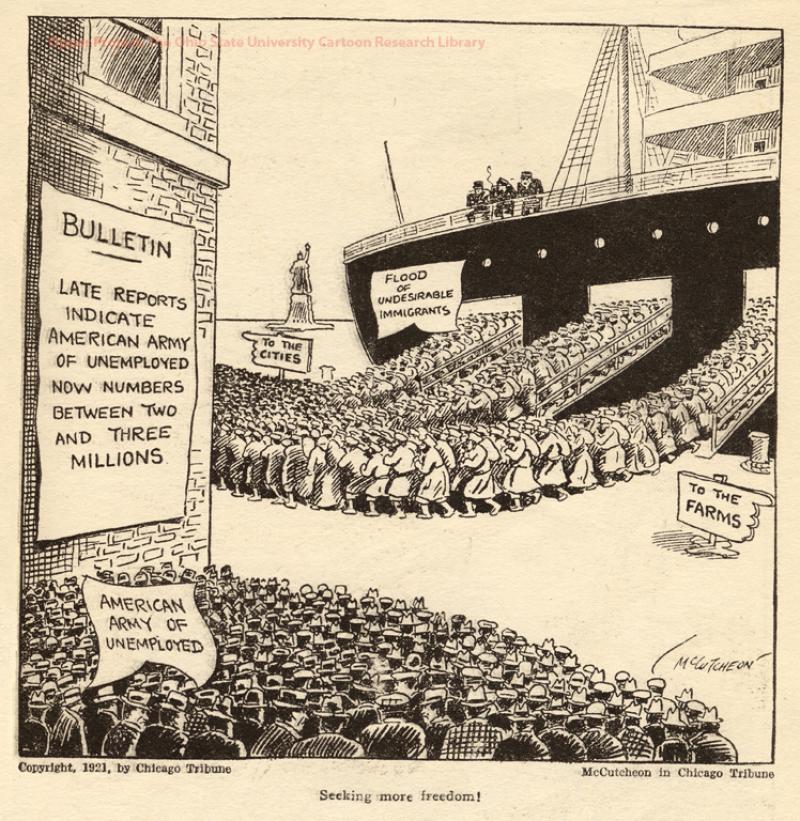
Mass-battle gaming has historically depended on stable local communities. Clubs, campaigns, shared terrain collections, and regular opponents all require people to remain in the same place long enough to build relationships.
High housing costs undermine that stability. People move more often. Commutes grow longer. Participation becomes less consistent. Social density declines as social fragmentation rises. Diversity is most definitely not a strength when it comes to building a broad community of like-minded hobbyists.
Skirmish games flourish in this environment because they require relatively little commitment. Players can drop in for a single evening and still enjoy a complete experience.
Mass-battle gaming thrives under different conditions. It thrives where communities possess permanence.
The shift toward skirmish gaming is often described as a change in taste. There is some truth to that. But tastes do not emerge in a vacuum. People adapt their hobbies to the realities of their lives.
This is why demographic trends matter.
Housing affordability does not emerge from nowhere. It is shaped by the relationship between population and housing supply.
When housing costs rise, disposable income shrinks, free time becomes scarce, living spaces get smaller, and communities become less stable. Under those conditions, skirmish gaming for its own sake makes sense.
When population pressure decreases, housing generally becomes less expensive. And lower housing prices create the conditions under which larger, more ambitious forms of wargaming become practical again.
If large-scale wargaming experiences a renaissance, it will not be because players suddenly rediscover the appeal of massed armies. Everyone already knows that regiments look impressive. It will happen because the economic and demographic conditions that make large games practical return. The future of wargaming depends a lot less on game design and a lot more on the broader forces shaping how people live. Game designers selling a product are chasing a market, and the market is driven by way more than personal taste.
The hobby follows the shape of everyday life. Change everyday life, and the hobby changes with it.
So let’s change it for the better.