

Every now and then someone wanders into the conversation to intone, with great solemnity, that the #BROSR didn’t actually discover anything. According to the sneering class and smart boys, all of our best advice – downtime activities, open tables, logistics, procedural play, persistent worlds – was already known. Their argument goes something like this: “Downtime existed before. Open tables existed before. Logistics existed before. Procedural play existed before.” And yes — congratulations, you’ve successfully identified that the hobby didn’t begin in 2021. Gold star for you.
They’re missing the point so completely that it’s almost impressive.
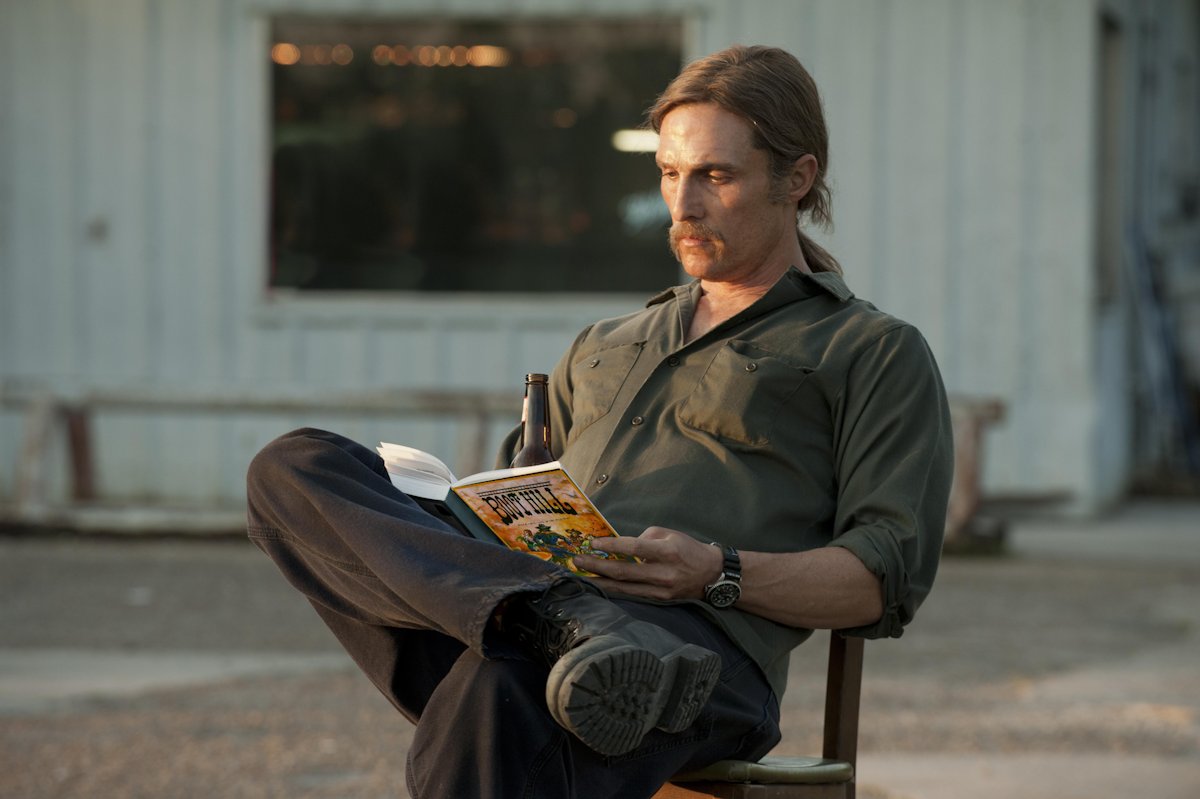
Because the BROSR’s contribution was never about being first to pluck a particular rule out of the pages of Traveller, or the first to notice that Boot Hill explicitly assumes multi-faction downtime PvP campaigning.
What the BROSR did was something far more rare, and much valuable: it put the pieces together.
For decades, the hobby treated the foundational elements of early RPGs like a junk drawer – full of interesting bits, but never organized, never examined as a whole, and certainly never used the way they were intended. People would pick up an idea the OG Gragnards took for granted, turn it over in their hands, then toss it back in. Maybe they’d pen a blog post about downtime. Maybe they’d mention that open tables that managed fifty players were “a thing back in the day.” Maybe they’d claim the shift everyone knows about from wargame to RPG was elusive and write a whole big book about it.
But nobody treated these things as parts of a single machine.
The BROSR did.
Instead of treating downtime, logistics, faction play, and procedural generation as optional curiosities, as useless appendages or novel bolt-ons to a narrative game, the movement asked the obvious question that somehow nobody else bothered to ask:
What happens if you sit down and actually use all of these things together, the way the old games quietly assumed you would?
The answer turned out to be simple and profound: the game wakes up.
A persistent world isn’t just a calendar.
Downtime isn’t just bookkeeping.
Procedures aren’t just random tables.
Open tables aren’t just a scheduling trick.
When you run the game the way Traveller, Boot Hill, Gamma World, and all their cousins quietly expected you to, the whole thing shifts gears. The campaign stops being a story the GM is trying to tell and becomes a world the players are trying to survive, exploit, and reshape. The GM stops being an author and becomes a referee. The players stop acting like untrained seals guessing which of the DM’s hoops they should jump through next, and start making their own hoops for other players to jump through.
And the world—your world—starts to move.
That’s the part critics never seem to grasp. They think the BROSR is claiming ownership of individual ideas. But the real insight wasn’t about any single mechanic. It was about the interaction of those mechanics. The way they reinforce each other. The way they produce emergent play that no single rule can generate on its own.
Anyone can list ingredients.
Very few people can write a recipe.
And that’s what the BROSR did: it wrote the recipe.
It showed how downtime fuels faction play.
How faction play fuels world motion.
How world motion fuels player agency.
How player agency fuels adventure.
How adventure fuels downtime again.
A loop. A system. A living campaign.
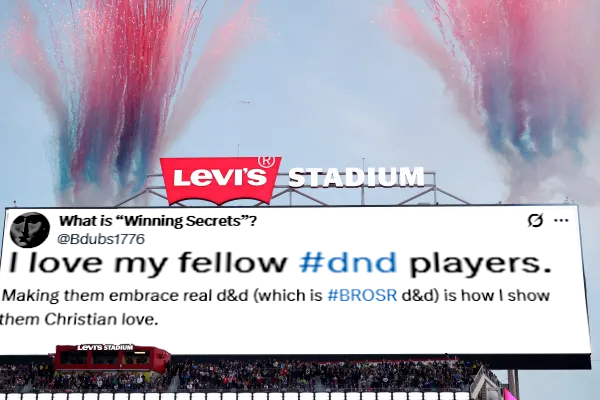
This wasn’t a matter of rediscovering a forgotten rule. It was rediscovering the logic of the early games—the logic that had been buried under decades of narrative assumptions and GM‑centric thinking. The BROSR didn’t invent anything new. It simply paid attention to what was already there, assembled the pieces, and demonstrated the power of the complete machine.
And that is a discovery.
Not the rediscovery of a forgotten part, but the discovery of a new understanding. A new clarity. A new way to see what these games were always capable of, if only someone bothered to run them as written, as intended, and as a complete system rather than a grab‑bag of optional rules.
So yes, the BROSR can rightfully claim new ground.
Not because it unearthed lost lore, but because it did the work nobody else did:
it put the whole thing together and showed what happens when you actually turn the key.
And the engine roared to life.