
There is a temptation among the wild, Daredevil Fringe of The ttrpg hobby to push the envelope. This typically takes the form of making things bigger, boulder, and more complicated. This little corner of the hobby is for the big brains who embrace the challenges of ever increasingly complicated games.
This has led to a trend among the naysayers to bleat out “but that’s too hard” counter signals. And if we’re being honest, even the most due hard Total Non-stop Braunstein advocate admits that referee attention is a rate limiting factor in the successful execution of ongoing faction play in a fog of war environment. Your game doesn’t need to rise to the elevated heights of a Brovenloft to experience the slowdown inherent when 12 to 20 players all have “just one quick question” and rightly expect to have answers to help refine their plans and orders.
The issue is compounded by a (deservedly) slavish devotion to the concept of 1:1 time, and this provides a clue as to one tweak to the standard Braunstein procedure that might alleviate the pressure and allow a smaller and more casual game to flourish.
Hence, my current experiment with the Total Nonstop Stoptime Braunstein.
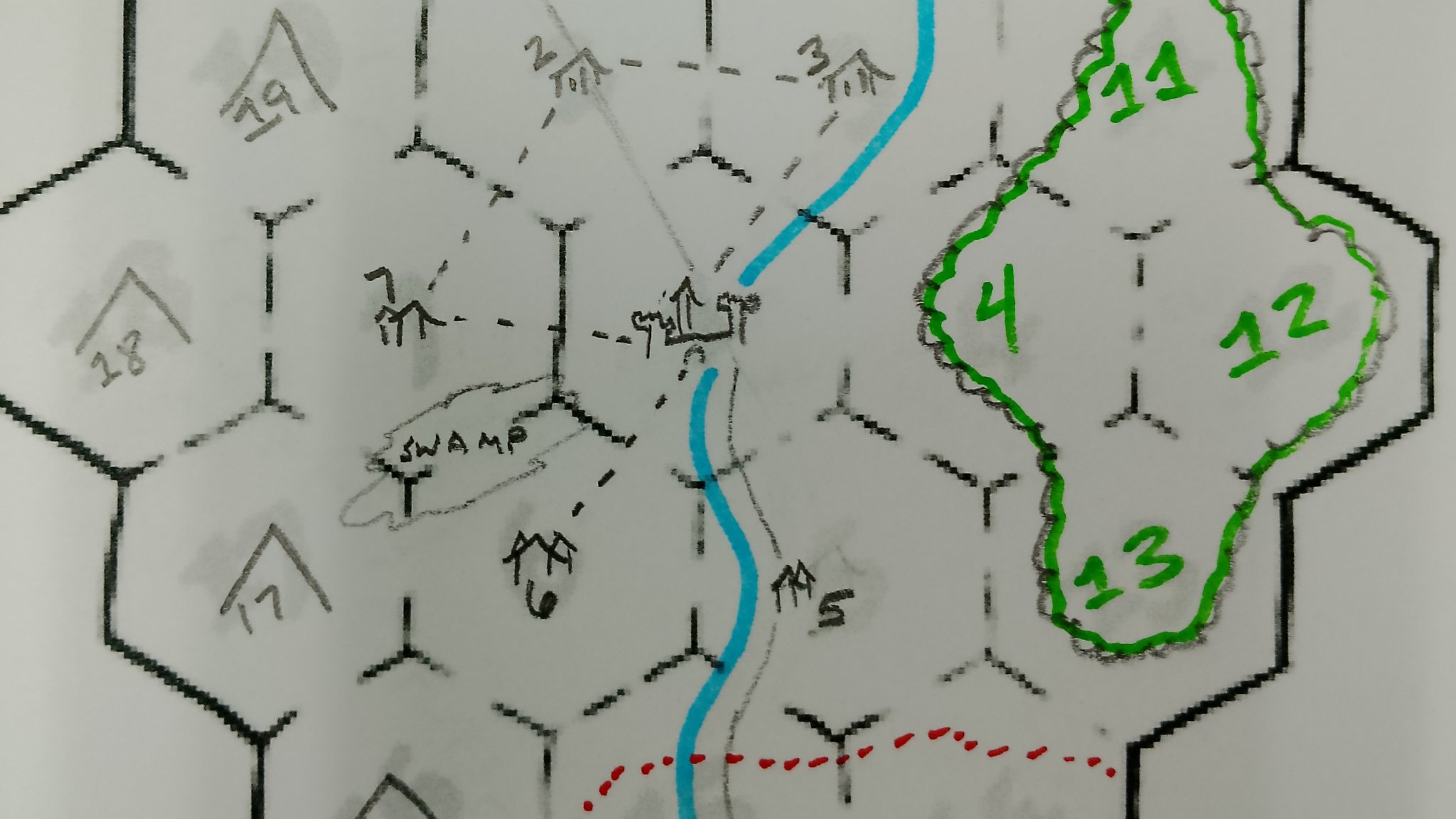
It is a more laid-back affair that unfolds at its own pace. Rather than the current experiments with event based or weekly, monthly, or seasonal turns, players issue orders as needed and as their busy life allow, and the referee does the same. As usual, players are free to resolve conflicts without involving the referee, but should keep the referee informed so that he can ask them to ‘tap the brakes’ to avoid racing too far ahead in the game’s timeline.
Exactly what that looks like may be impossible to codify. It’s going to depend on far too many variables and trigger the need for the benevolent judgement of a neutral third party – as does any conflict placed in the referees hands. Understanding how this operates and perhaps providing some guidelines for referees who want to attempt this style of game is the purpose of running the experiment first and publishing the setup second.
A radical departure from most osr products, I know.
The other way to help players knew to the bronstein is to severely limit both the geography and the number of factions involved.
In the case of what I’ve been calling in my head, ‘The Pocketstein’, that means confining the action to a small kingdon caught between high mountains to the East and west, and to much larger and more powerful kingdoms to the north and south. The larger kingdoms view the games valley Kingdom as a useful buffer between them. They will generally take a hands off approach to the goings on, and so should the factions unless they want to get steamrolled by NPC kingdoms.
With a valley that can be crossed in a day, we’re looking at a real knife fight in a phone booth situation. Travel times are negligible, but sight lines are wide open. You might be able to go wherever you want, but everybody’s going to see you doing it. This lessens the fog of war, and encourages creative thinking on the part of the players.
The factions are limited to just five:
- The Lord of the Keep
- The Rebellion
- The Merchant Caravan
- The Elves
- The Orcs
These factions have been designed deliberately to evoke clear and understandable stereotypes. Limiting the number of players to five allows for complex interactions among them, without an overly complicated web of alliances and enemies. The complexity level should be somewhere around the board game diplomacy. You’ve got two fewer factions, but considerably more complicated tactics for them to engage. The theory is that five players creates enough complexity to intrigue players and keep them invested while keeping the demands on the judge manageable.
As with all faction-based games, this will only work with the kind of players who have the ambition to push the limits of what the game can handle, tempered by the empathy to give the referee what he needs. That might be time, that might be simpler orders without all of the conditionals, and that might be the gift of your patience. Because no game can survive contact with selfish players or Refs.